
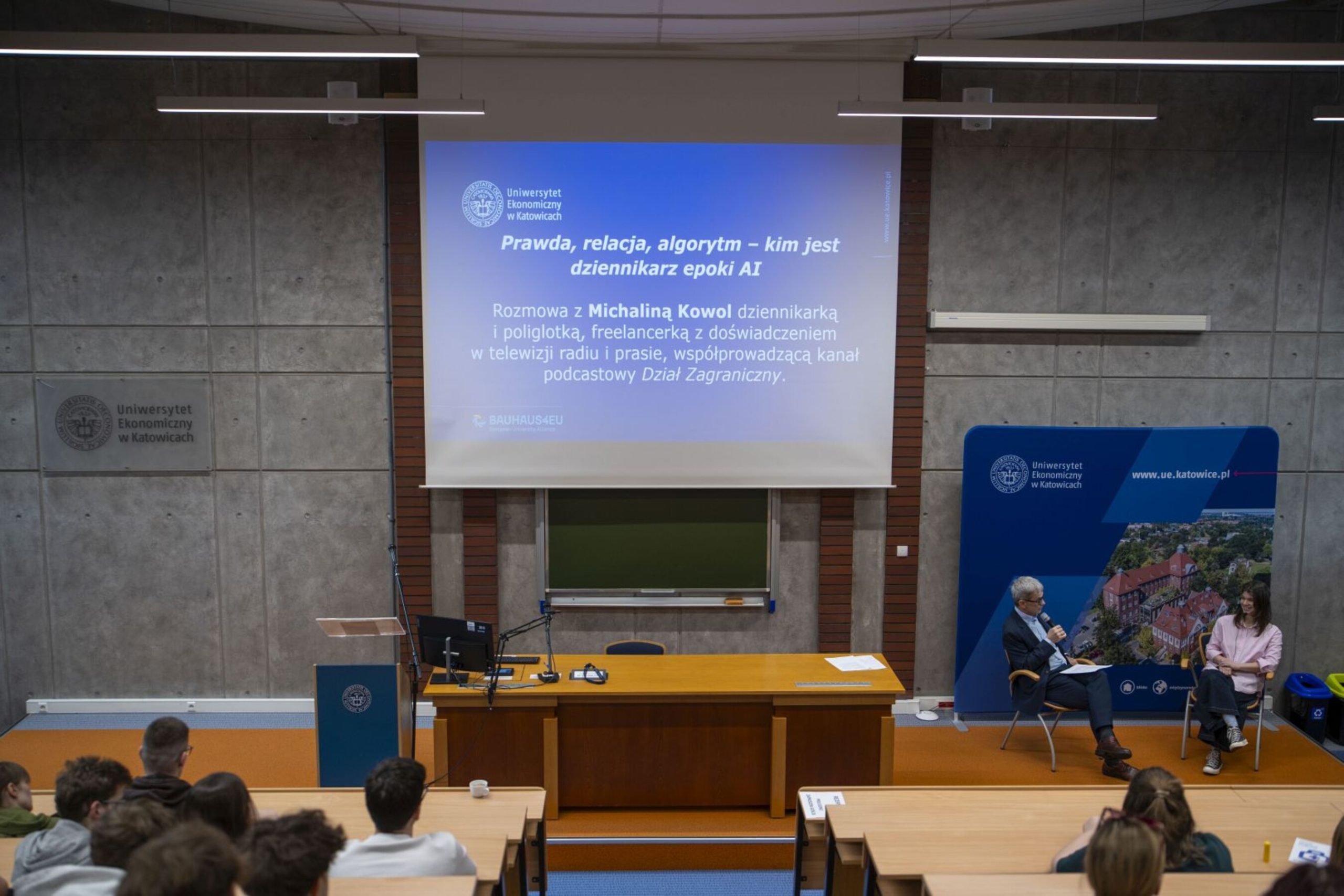
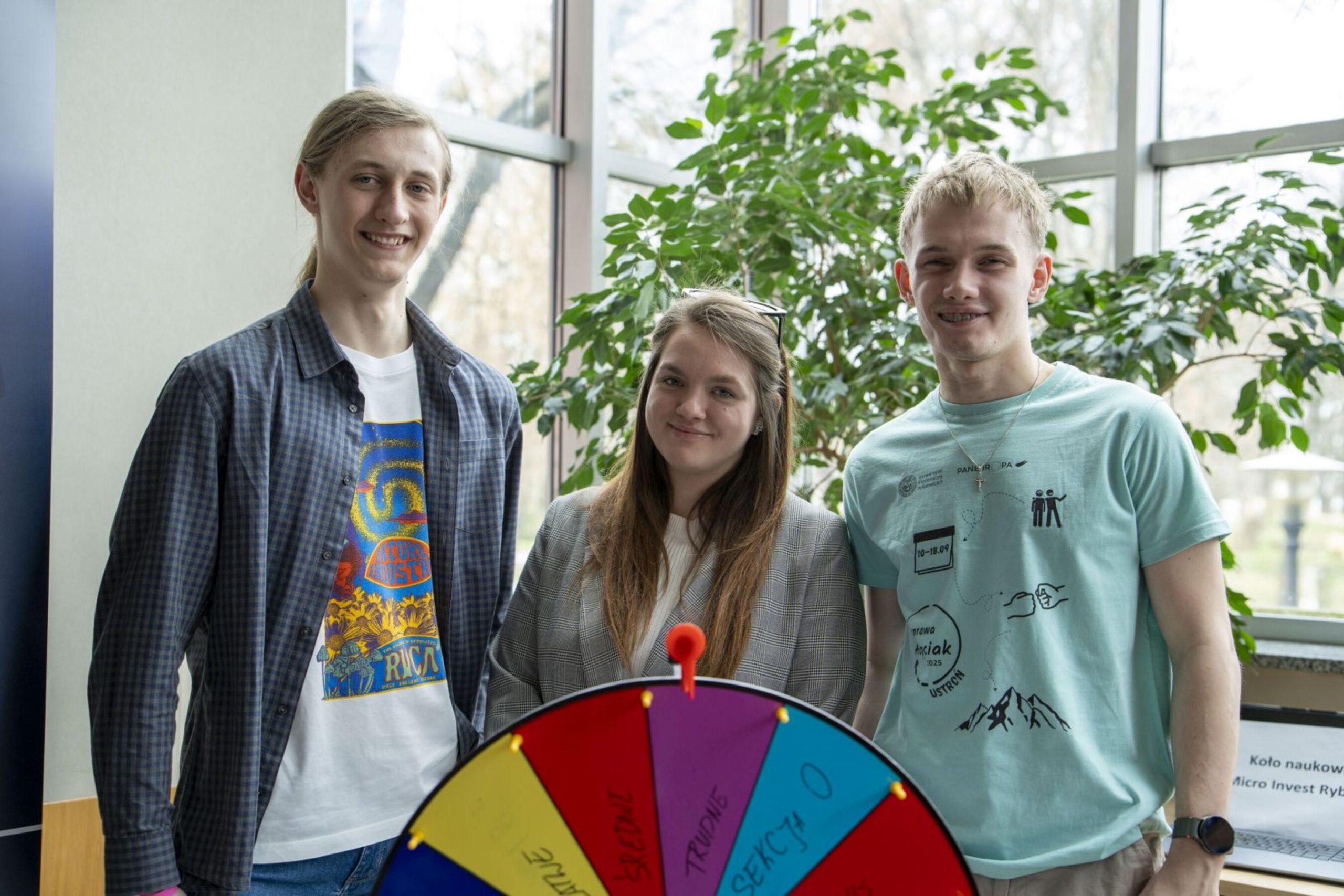
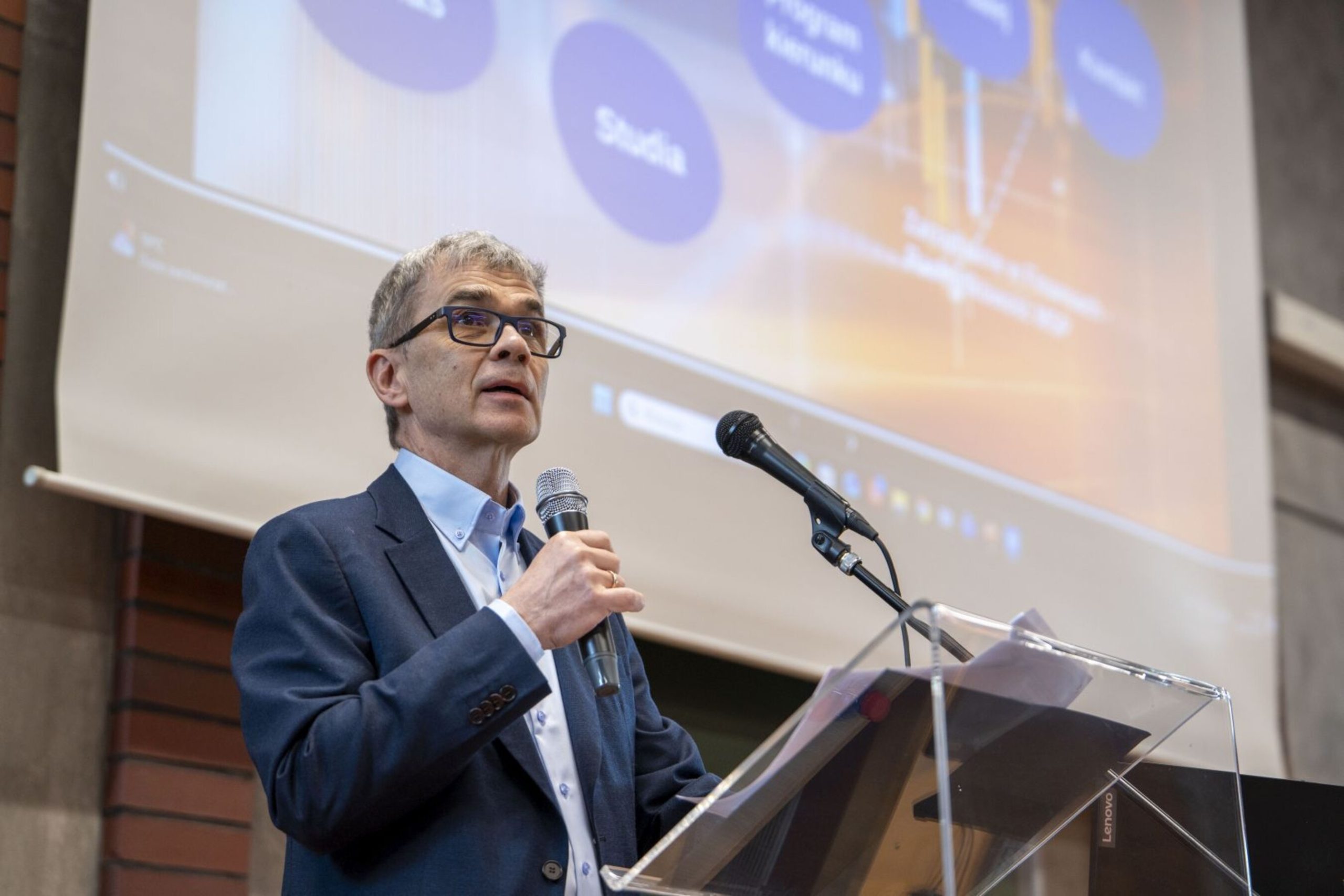
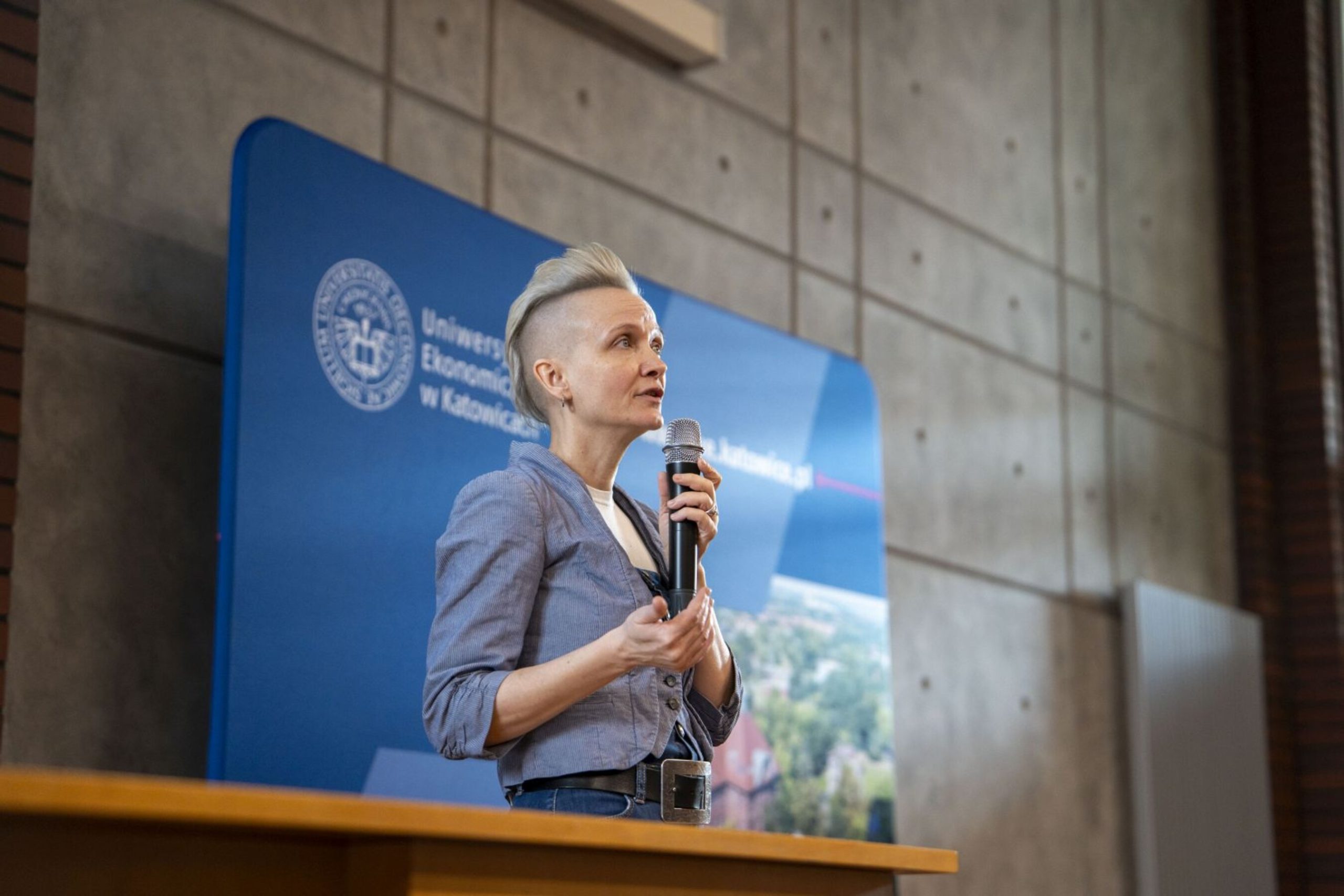
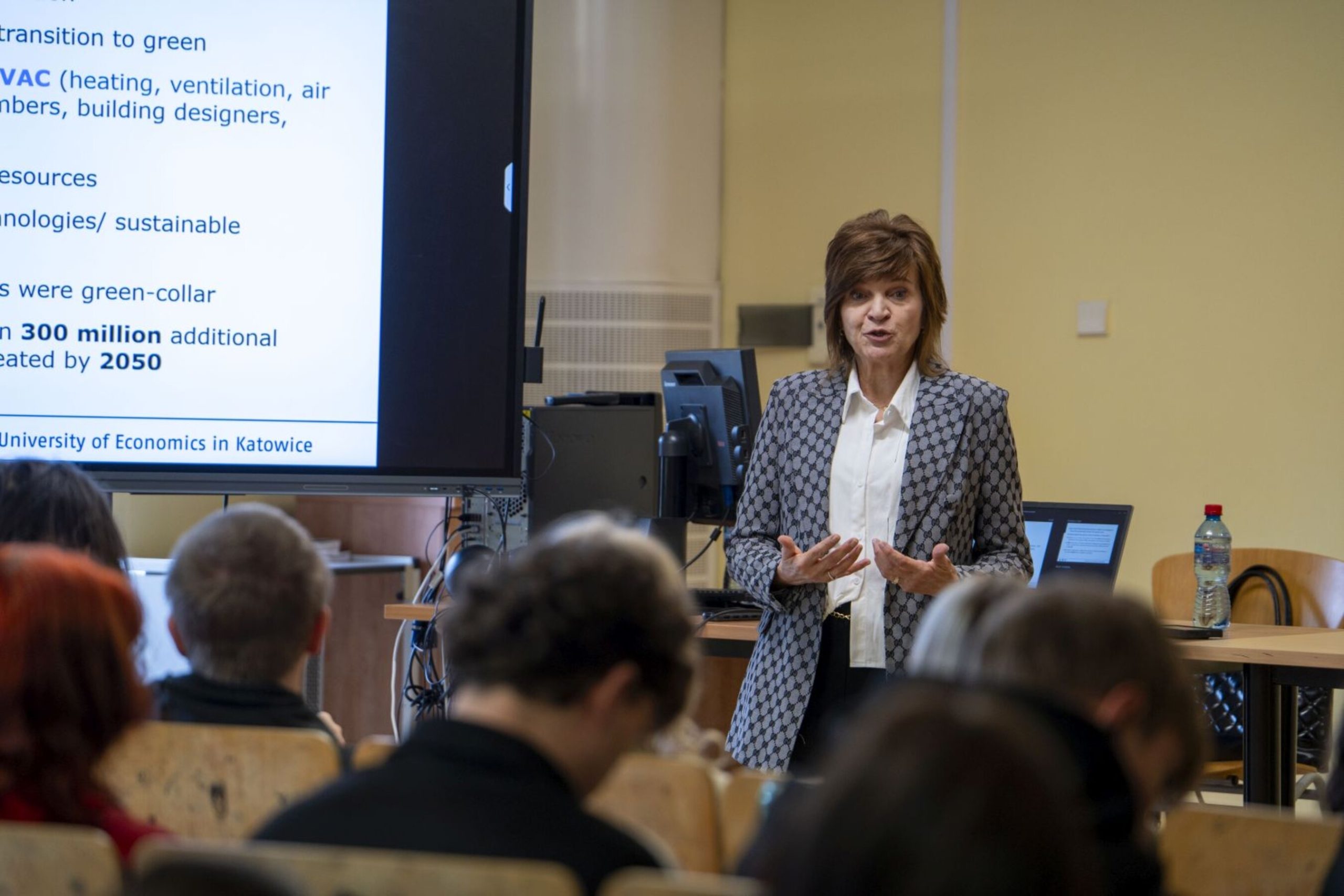
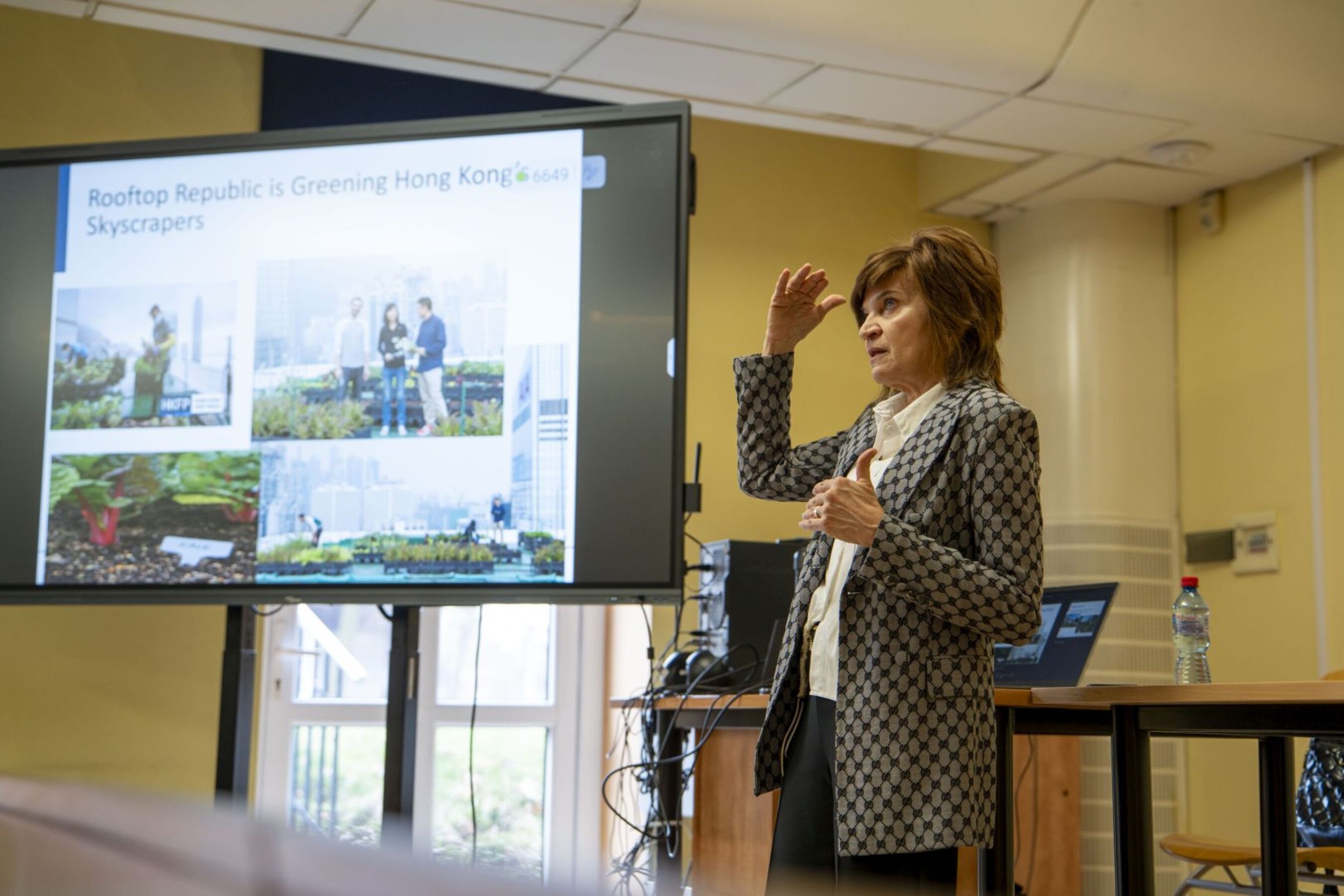
The integration of artificial intelligence (AI) and green technologies into modern educational frameworks is no longer merely an option; it is an imperative for sustainable regional development. This paradigm was recently highlighted during the annual Education Fair held on March 20, 2026, at the Rybnik Branch of the University of Economics in Katowice. The event provided a critical platform for discussing 21st-century competencies and the socio-economic dimensions of the „Just Transition” (Sprawiedliwa Transformacja).
The fair featured a series of expert-led workshops addressing contemporary challenges—ranging from information security to adapting to dynamic economic conditions. However, the overarching theme of the Just Transition seamlessly aligns with the broader scientific discourse on green technologies and advanced cognitive systems. In this context, the SAGE project – a dedicated scientific endeavor focused on the advancement and implementation of artificial intelligence – finds its natural relevance.
As we navigate the complexities of environmental transformation, green technologies increasingly require the analytical prowess of AI to optimize resource management, forecast ecological impacts, and streamline sustainable energy solutions. During the Rybnik event, the emphasis on equipping young minds with „21st-Century Competencies” underscored the necessity for analytical thinking, data literacy, and a profound understanding of cyber security. These are the exact foundational skills required to conceptualize, develop, and govern complex AI models like those explored in the SAGE project.
Furthermore, discussions surrounding educational evolution highlight a crucial intersection: the technological tools we build must be supported by an educated society capable of deploying them responsibly. AI can serve as the brain behind green infrastructure, but it requires human insight to align its objectives with ecological sustainability.
The synergy between the educational initiatives presented at the Rybnik Education Fair and the scientific objectives of the SAGE project illustrates a pivotal shift. By fostering a deep understanding of AI-driven green technologies among the next generation of students and professionals, we can ensure that the transition toward a sustainable future is both technologically robust and socially equitable. Academic and educational gatherings like this are essential incubators for the innovative paradigms that research initiatives like SAGE strive to explore and expand.



No responses yet